

Product fit cases and pilot
Put Chartboost into an operating context: who fits, when to be cautious, and how to validate the first pilot.
Chartboost fits teams with stable users and repeatable usage moments and a real need to improve 游戏需求、开发者供给与变现.
Do not scale Chartboost when post-click outcomes are unexplained or platform-reported metrics are the only evidence.
Start with one market or product version and validate valid installs, retention, ARPDAU and source quality before expanding.


Mobile game advertising has its own logic: users come for gameplay and immediate feedback, and install decisions respond to visuals, pace and rewards. Chartboost’s developer focus makes game context the right frame.
Privacy, attribution and bidding changes have shifted the role of game platforms. A single CPI number is insufficient; retention, payment, creative and monetisation quality must be evaluated together.
Real platform context
These visuals come from official product pages, developer documentation, public store listings or platform-owned sites. They are used to inspect interfaces, ad contexts and device touchpoints; inclusion does not imply endorsement.
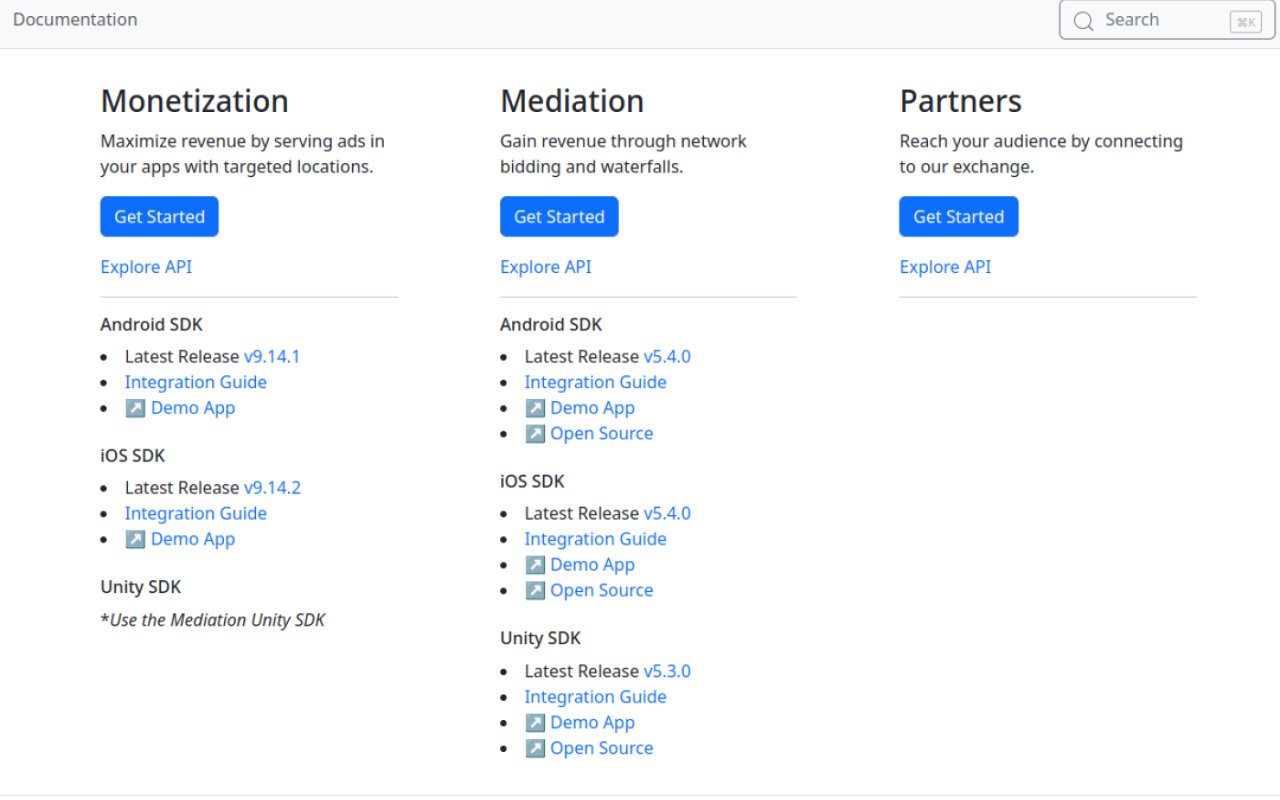
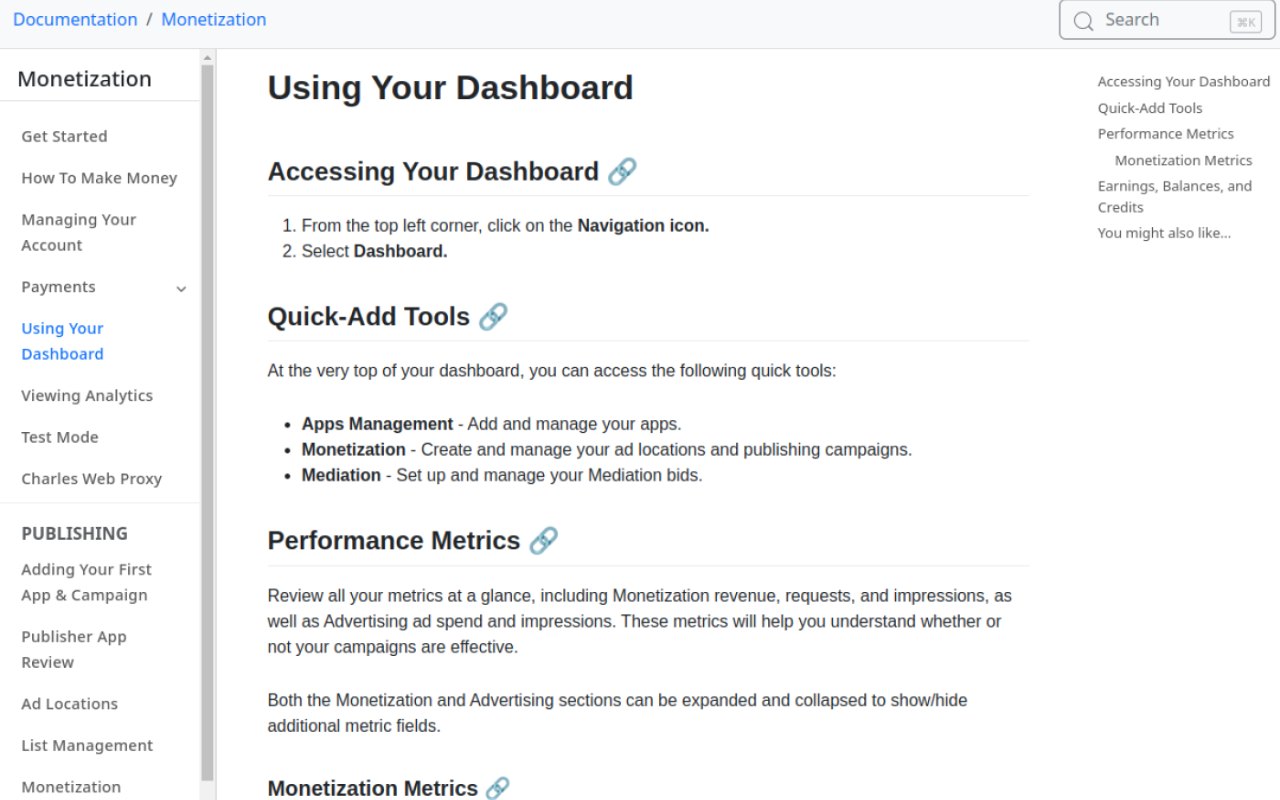
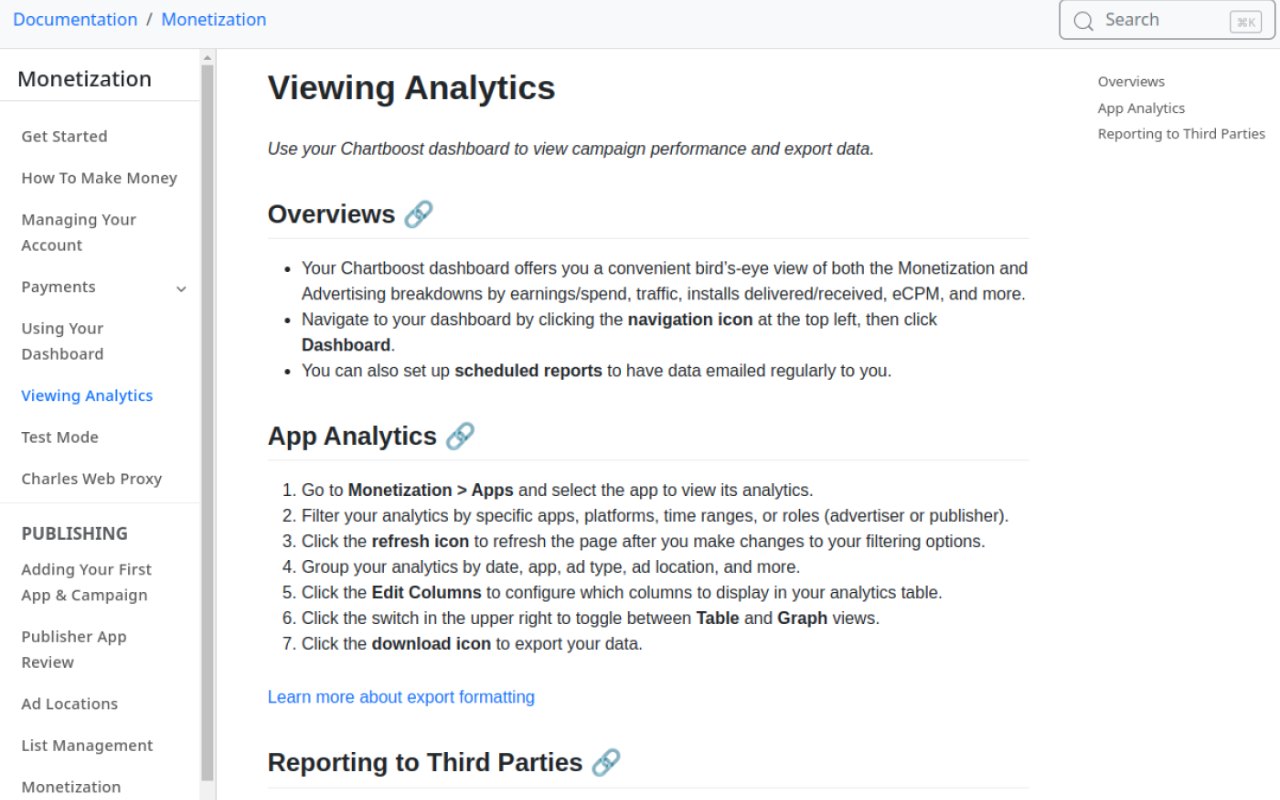
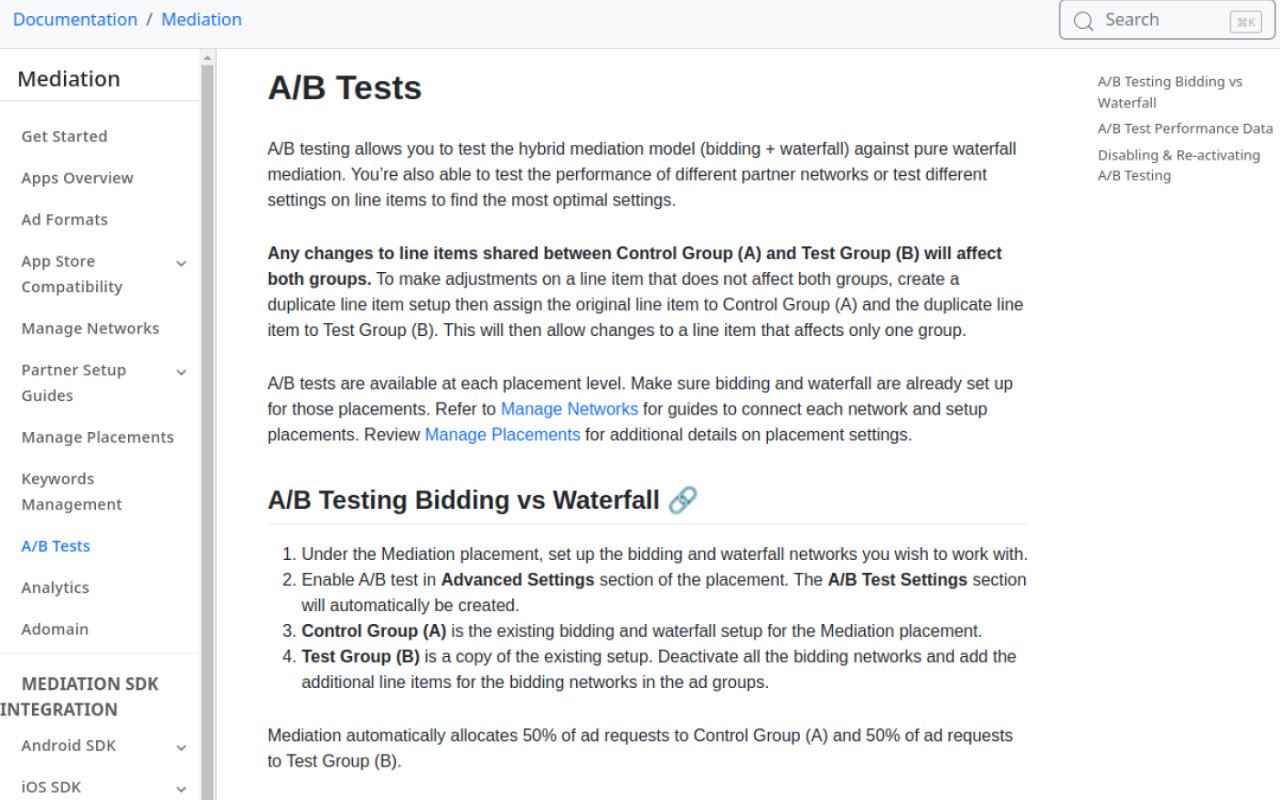
Source: Chartboost Documentation · Official page 1 · Retrieved 2026-10-28
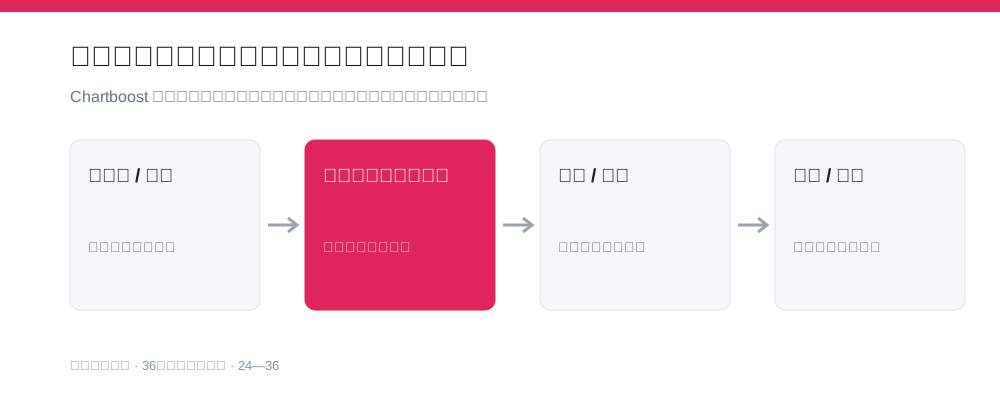
1. Why game advertising needs specialised platforms
Game attention is driven by gameplay. Creative must show the core loop: action, feedback, progression or competition. Generic entertainment may win clicks without finding genre fans.
Game-focused platforms own context and developer relationships, enabling closer matching. Product loop, store page and day-one experience still determine quality.
2. Acquisition and monetisation are connected
Developers may acquire users from the platform while monetising with its network. This requires careful inventory quality review: intrusive ads hurt retention, while low-quality traffic hurts advertisers.
A healthy platform explains both new-user quality and sustainable developer revenue. Optimising one side alone destabilises the system.
3. Games and stages that fit
Casual, mid-core and strategy games with visible loops, measurable day-one retention and fast creative iteration generate useful signals from small tests. Long-cycle social games need more time.
Do not scale before onboarding, monetisation and performance are stable. A channel amplifies the product as it is.
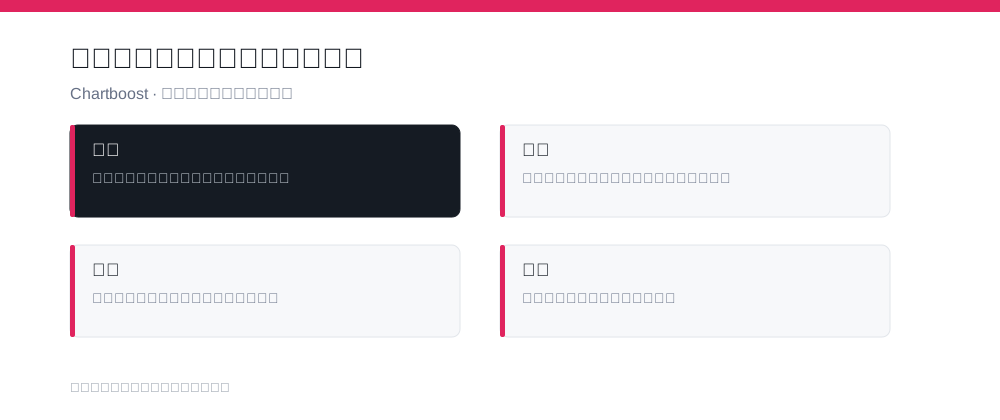
4. How to evaluate Chartboost
Verify regional supply and genre fit, then test multiple creatives against click, install, day-one retention, key actions and payment. Separate attribution from incrementality.
On monetisation, monitor fill, impressions, source mix, retention and complaints. Use one definition of user value across both paths.
5. Put it back into the value chain: five roles are not interchangeable
Chartboost belongs to Mobile game advertising. A common mistake is to judge it with metrics owned by another role: demanding DSP-style ROAS from an SSP, or judging an ad server by network fill, produces distorted conclusions.
The better question is which core resource it controls, and whether that resource converts into a verifiable business outcome. For Game advertising demand and monetisation, scale is not the only answer; transaction quality, data availability and governance matter equally.
Establish the business type and readiness conditions before discussing integration or optimisation. Applying one KPI across every role often turns an organisational issue into a false platform issue.
| Industry role | Core resource controlled | Question to validate |
|---|---|---|
| DSP / demand platform | Budget, audiences and optimisation goals | Can it buy the right audience at a controllable cost? |
| Commerce media | Product data, shopping intent and retail/offsite context | Do product, data and media create incrementality? |
| Native / discovery network | Publisher context, content consumption and next-click attention | Can content turn clicks into valuable actions? |
| SSP / sell-side platform | Inventory, auction paths, signals and deal rules | Can it improve net yield while protecting experience? |
| Omnichannel ad platform | Identity, content context, DSP and multi-screen supply | Can it unify identity, frequency, creative and measurement? |
6. Diagnose before optimising: reading three common signals
A dashboard number is only a symptom. The useful work is connecting what is visible to what may be happening, then validating it with one action. With Chartboost, the expensive mistake is rarely a missing button; it is using the wrong metric to explain the business.
| Observed signal | Likely cause | Validate next |
|---|---|---|
| Clicks are high but players do not continue | Creative gameplay, rewards or pacing differ from the real game | Replace exaggerated scripts with real play and compare tutorial completion and D1 |
| Acquisition ROI is highly volatile | Game stage, country, creative theme and monetisation density are mixed | Segment sources and user tiers within one baseline |
| Monetisation rises while users churn | Ad frequency, weak reward value or interruption of the core loop | Measure retention and ARPDAU by placement, not fill alone |
7. Why professional delivery should come before account setup
Game platforms affect both acquisition and monetisation. Without one user-value model, teams can buy mismatched players while aggressive ads inflate short-term revenue. Professional delivery puts creative, acquisition, placements and game stage on one map.
A defensible project does not start with an account. It starts with business diagnosis, account and permission checks, SDK/API or mediation integration, event return, placement and frequency design, A/B testing, privacy compliance and billing review. Reverse that order and product, data or compliance issues are easily misread as poor platform performance. Professional delivery identifies blockers earlier and avoids repeated setup, integration and wasted budget.
HiSpark supports overseas monetisation, platform integration, mediation and bidding, A/B testing, attribution, app publishing, app development, web systems and operations. Reply with the platform keyword and consult with your product, market, stage and current stack so fit can be assessed before account setup or scaling.
Quick fit check: who is ready and who should build foundations first
| Business type | Best-fit context | Readiness required | Avoid when |
|---|---|---|---|
| Casual game | Visual mechanics and short cycles | Onboarding, store, retention and payment | Exaggerating gameplay or rewards |
| Mid-core game | Clear progression and competition | Longer observation and LTV modelling | Setting budget from day-one CPI |
| Developer monetisation | Stable traffic and additional game demand | Frequency, tiers, UX and privacy | Trading retention for short-term revenue |
Platform reference: Chartboost
Related platforms
Compare nearby platforms by role, resource and operating boundary.