

Commerce fit cases and pilot
Put AdSense into an operating context: who fits, when to be cautious, and how to validate the first pilot.
AdSense fits teams with stable product catalogues and observable shopping intent and a real need to improve 内容页面、广告需求与收益治理.
Do not scale AdSense when post-click outcomes are unexplained or platform-reported metrics are the only evidence.
Start with one market or product version and validate product data, incremental orders, contribution margin and repeat purchase before expanding.


AdSense has become the default starting point for independent publishers. Familiarity can hide the complexity of content context, demand, intent and policy.
Traffic, price or account changes rarely come from one ad unit alone. Content quality, acquisition channels, page speed and consent influence the system.
1. What AdSense solves
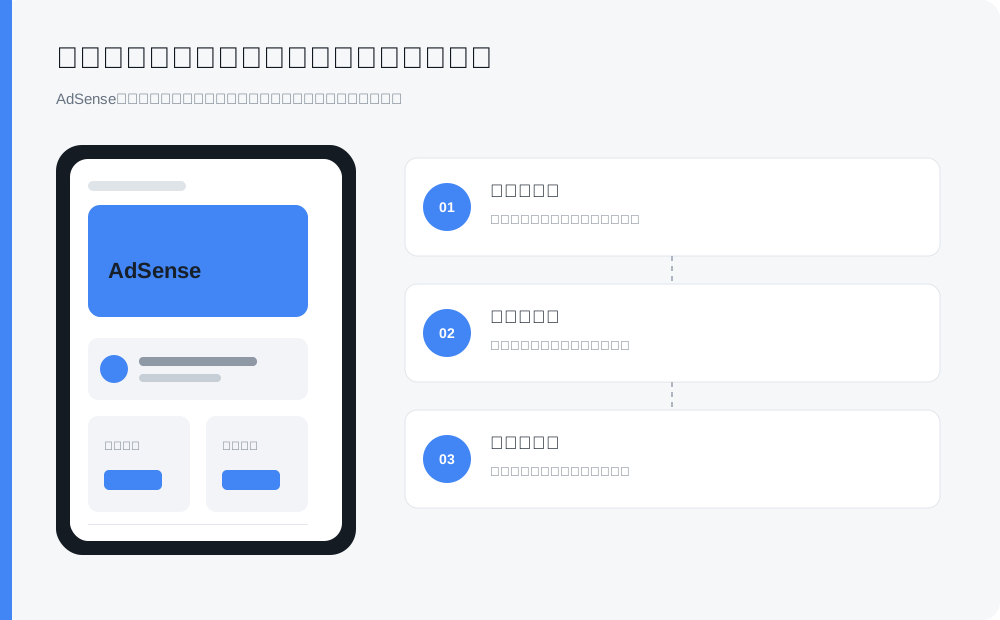
AdSense connects available advertising space to demand and supplies delivery, billing, reporting and payment, lowering the cost of direct selling.
It does not create editorial positioning, audience relationships or trustworthy traffic. A weak site may gain access but still fail to produce durable value.
2. Four variables behind RPM
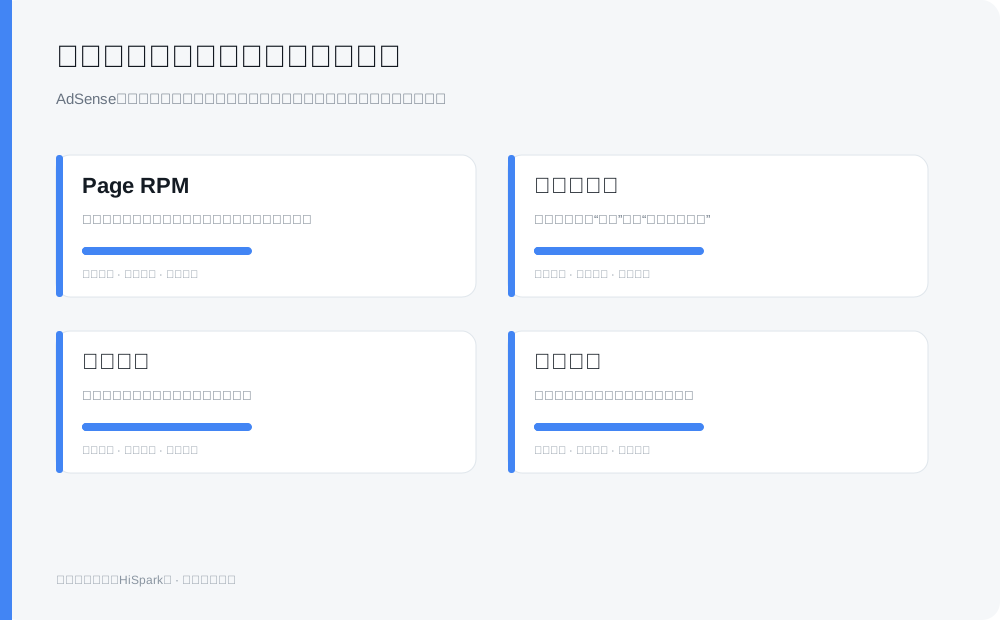
Page RPM is shaped by demand and commercial intent, then geography, language, viewability and traffic quality. Users from different sources do not carry the same value.
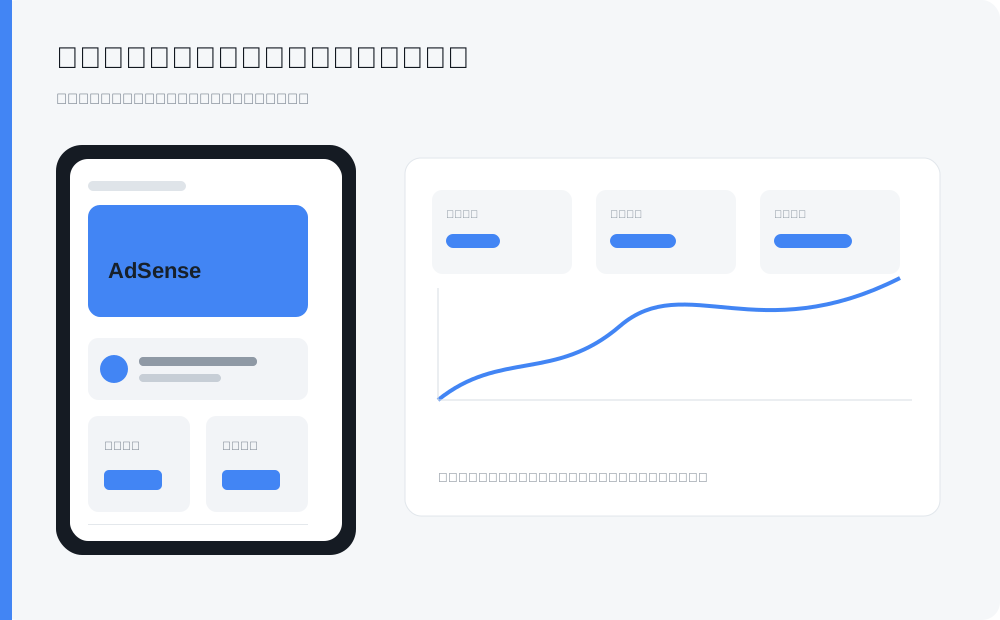
Do not compare unrelated sites. Track within-site change and monitor search, direct and social traffic mix. Investigate abnormal price spikes before celebrating.
3. Designing placements
Placements should follow the reading rhythm. Keep the headline and primary content visible, use mid-article units that respect paragraph flow, and avoid obstructive end-of-article treatments.
Mobile requires restraint. Sticky units, overlays and dense interstitials may lift short-term impressions while damaging speed and readability. Define a density ceiling by page type.
4. Policy, privacy and resilience
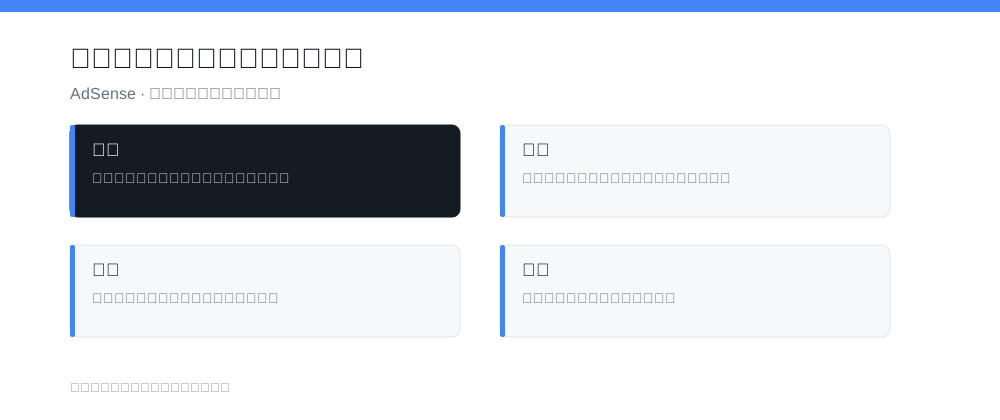
Policy and privacy must be product capabilities. Copyright, misleading claims, thin aggregation and invalid traffic can affect account health. Assign owners and review processes.
Resilience comes from diversified content and channels: direct traffic, subscriptions, brand deals, controlled density and AdSense as one demand foundation rather than the only exit.
5. Put it back into the value chain: five roles are not interchangeable
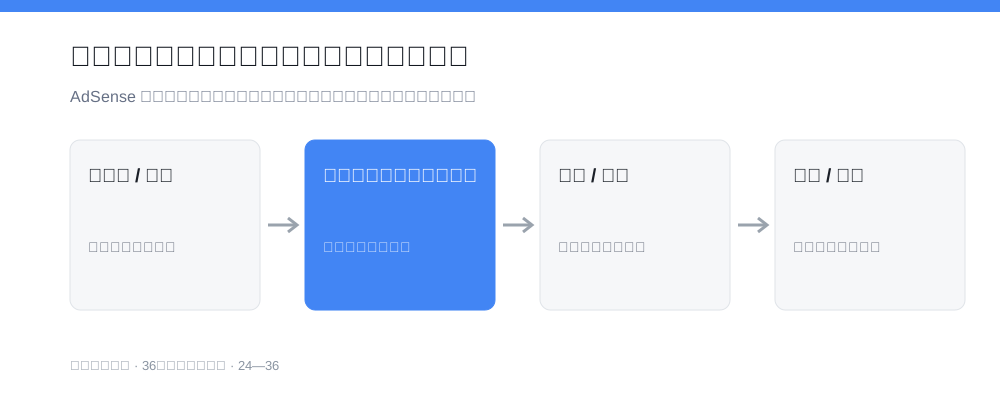
AdSense belongs to Publisher monetisation. A common mistake is to judge it with metrics owned by another role: demanding DSP-style ROAS from an SSP, or judging an ad server by network fill, produces distorted conclusions.
The better question is which core resource it controls, and whether that resource converts into a verifiable business outcome. For Content-site advertising and demand matching, scale is not the only answer; transaction quality, data availability and governance matter equally.
Establish the business type and readiness conditions before discussing integration or optimisation. Applying one KPI across every role often turns an organisational issue into a false platform issue.
| Industry role | Core resource controlled | Question to validate |
|---|---|---|
| DSP / demand platform | Budget, audiences and optimisation goals | Can it buy the right audience at a controllable cost? |
| Commerce media | Product data, shopping intent and retail/offsite context | Do product, data and media create incrementality? |
| Native / discovery network | Publisher context, content consumption and next-click attention | Can content turn clicks into valuable actions? |
| SSP / sell-side platform | Inventory, auction paths, signals and deal rules | Can it improve net yield while protecting experience? |
| Omnichannel ad platform | Identity, content context, DSP and multi-screen supply | Can it unify identity, frequency, creative and measurement? |
6. Diagnose before optimising: reading three common signals
A dashboard number is only a symptom. The useful work is connecting what is visible to what may be happening, then validating it with one action. With AdSense, the expensive mistake is rarely a missing button; it is using the wrong metric to explain the business.
| Observed signal | Likely cause | Validate next |
|---|---|---|
| Traffic grows while RPM keeps falling | New traffic comes from lower-intent markets or weak pages | Segment revenue and traffic quality by country, language, source and template |
| Revenue suddenly moves for one page type | Layout, density, consent or topical mix changes alter bidding and viewability | Compare releases, placement position, viewability and demand rather than clicks alone |
| The account receives policy or invalid-traffic warnings | Source anomalies, click encouragement, rights or content-quality issues accumulate | Pause high-risk channels and audit content, placements and source paths |
7. Why professional delivery should come before account setup
AdSense integration is a code snippet; publisher monetisation is an information-architecture, SEO/GEO, consent, ad-density, traffic-quality, policy and revenue-mix problem. A team can deploy code yet still struggle to explain why search traffic, page experience and RPM moved together.
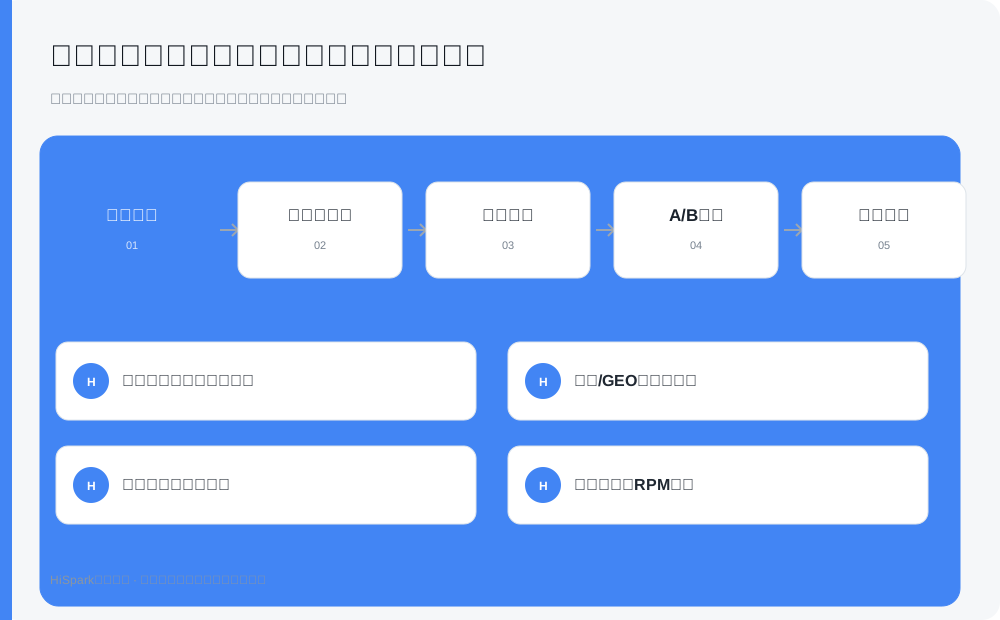
A defensible project does not start with an account. It starts with business diagnosis, account and permission checks, SDK/API or mediation integration, event return, placement and frequency design, A/B testing, privacy compliance and billing review. Reverse that order and product, data or compliance issues are easily misread as poor platform performance. Professional delivery identifies blockers earlier and avoids repeated setup, integration and wasted budget.
HiSpark supports overseas monetisation, platform integration, mediation and bidding, A/B testing, attribution, app publishing, app development, web systems and operations. Reply with the platform keyword and consult with your product, market, stage and current stack so fit can be assessed before account setup or scaling.
Quick fit check: who is ready and who should build foundations first
| Business type | Best-fit context | Readiness required | Avoid when |
|---|---|---|---|
| Vertical publisher | Clear topic and stable intent | Original content, structure, privacy and governance | Chasing keywords with thin pages |
| Utility content site | Solves a task without ad conflict | Fast loading, reliable answers and navigation | Hiding answers behind ads |
| News aggregation | Editorial judgement and cadence | Rights, attribution, de-duplication and checks | Copied content or clickbait |
Platform reference: Google AdSense
Related platforms
Compare nearby platforms by role, resource and operating boundary.