

Product fit cases and pilot
Put AdMob into an operating context: who fits, when to be cautious, and how to validate the first pilot.
AdMob fits teams with stable users and repeatable usage moments and a real need to improve 应用广告变现、聚合与竞价.
Do not scale AdMob when post-click outcomes are unexplained or platform-reported metrics are the only evidence.
Start with one market or product version and validate valid installs, retention, ARPDAU and source quality before expanding.


AdMob is often the first monetisation platform a mobile team evaluates. It offers a clear integration path, familiar formats and a toolset connecting demand, mediation and bidding.
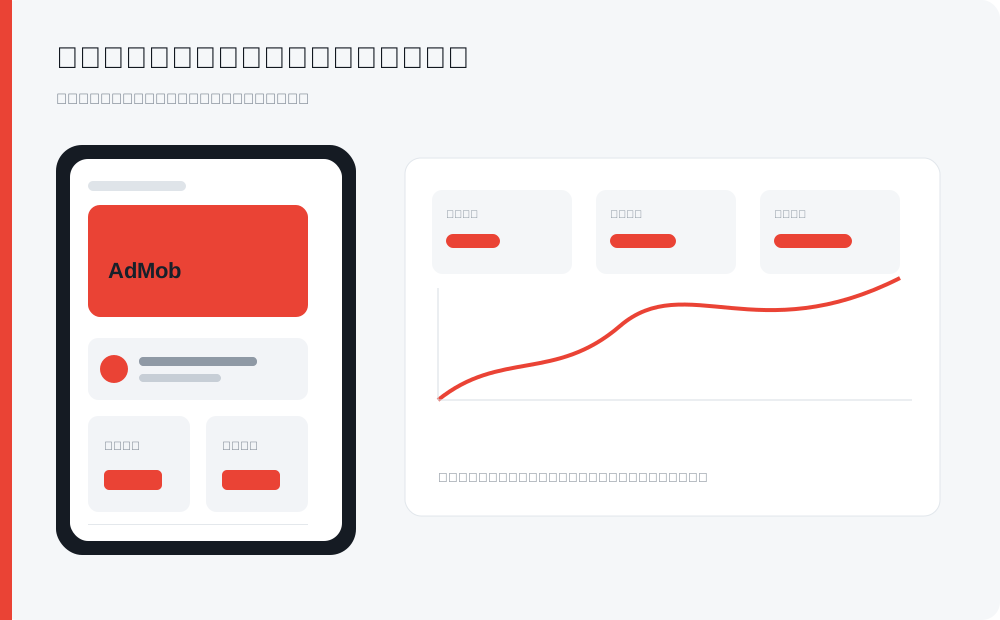
It is not an automatic revenue switch. Ad revenue is a product of audience scale, session depth, eligible impressions, fill and retention. A higher short-term eCPM can still damage the product.
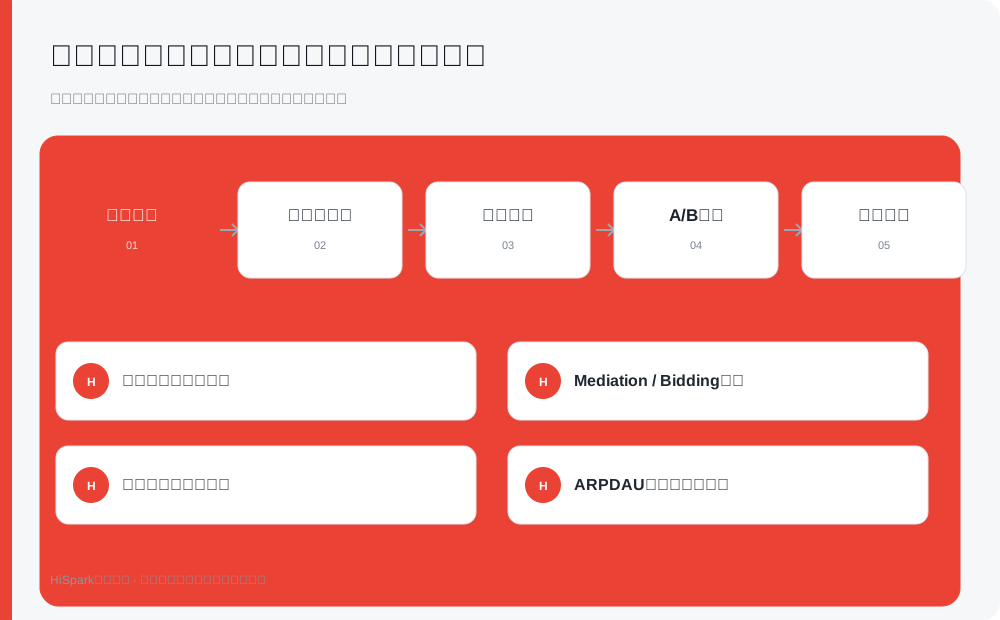
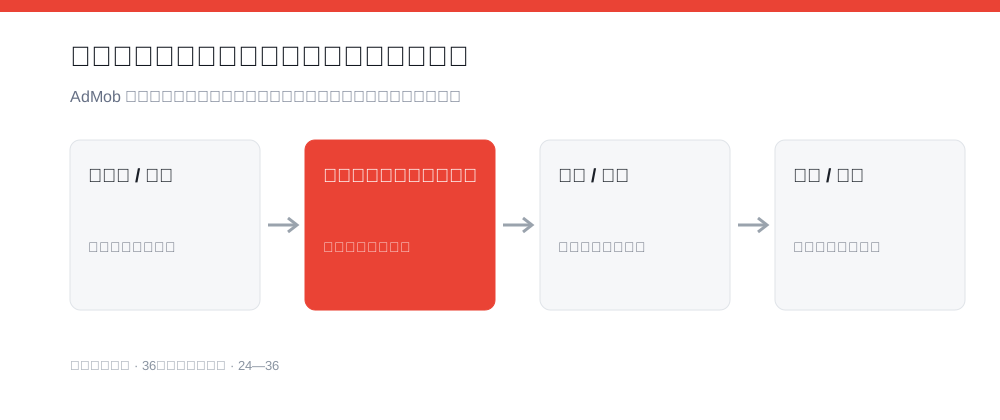
1. Where AdMob sits
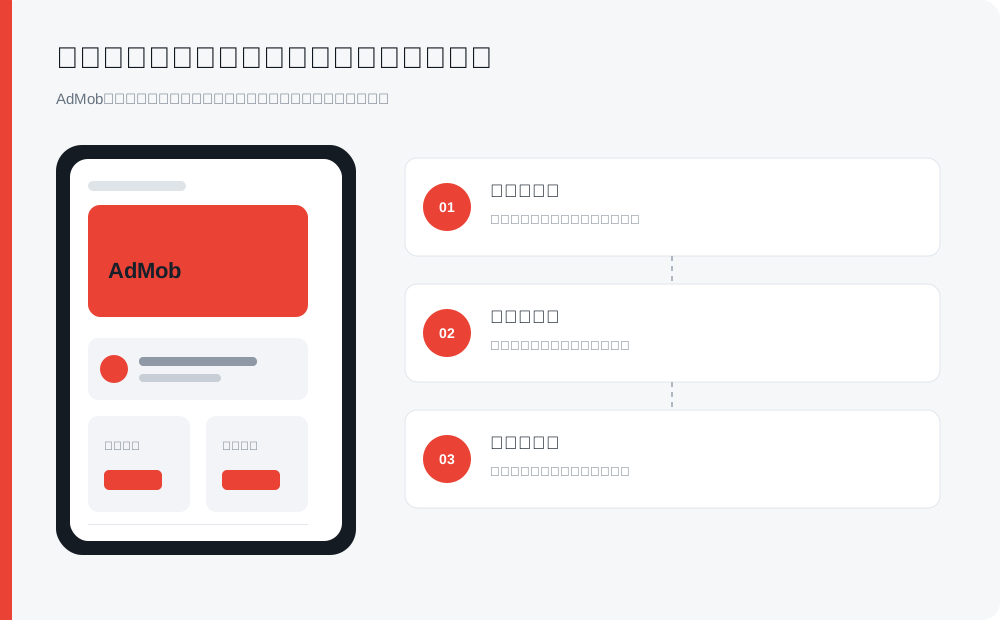
AdMob sits between app developers and demand. The developer supplies eligible contexts; the platform organises requests, connects demand, runs auctions or mediation and returns data.
The question is not only what eCPM AdMob pays, but whether the app creates valid impressions, receives competitive demand and protects user experience.
2. Four metric layers
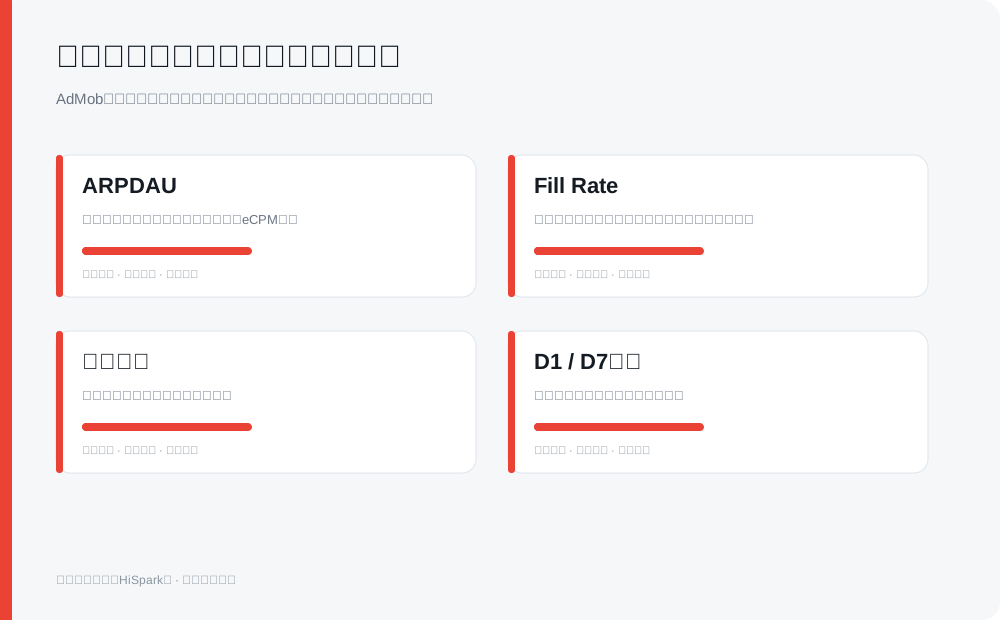
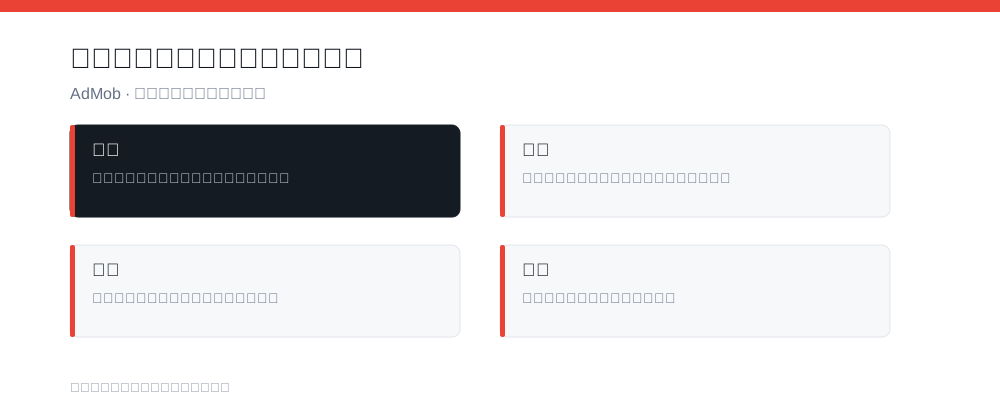
The layers are request and fill, impression and visibility, price and competition, and user value through retention, activity and payment.
Forcing ads into core workflows can lift short-term revenue while hurting retention. Use a dashboard covering ARPDAU, impressions per user, fill, source concentration, retention and complaints.
3. Which apps fit
Casual games, utilities, content products and selected light social apps often have repeatable ad moments. B2B, transaction-heavy and low-tolerance workflows need stricter boundaries.
Fit is defined by user acceptance. Prepare event tracking, consent, frequency controls and an explicit list of contexts where ads will not appear.
4. Optimise through experiments
Build a limited baseline by placement, then compare bidding, mediation, reward thresholds, interstitial frequency and native treatments one variable at a time.
Judge valid-impression growth, retention, policy risk and source concentration. The platform supplies data; product, growth and monetisation teams own the decision.
5. Put it back into the value chain: five roles are not interchangeable
AdMob belongs to Mobile app monetisation. A common mistake is to judge it with metrics owned by another role: demanding DSP-style ROAS from an SSP, or judging an ad server by network fill, produces distorted conclusions.
The better question is which core resource it controls, and whether that resource converts into a verifiable business outcome. For App monetisation and demand aggregation, scale is not the only answer; transaction quality, data availability and governance matter equally.
Establish the business type and readiness conditions before discussing integration or optimisation. Applying one KPI across every role often turns an organisational issue into a false platform issue.
| Industry role | Core resource controlled | Question to validate |
|---|---|---|
| DSP / demand platform | Budget, audiences and optimisation goals | Can it buy the right audience at a controllable cost? |
| Commerce media | Product data, shopping intent and retail/offsite context | Do product, data and media create incrementality? |
| Native / discovery network | Publisher context, content consumption and next-click attention | Can content turn clicks into valuable actions? |
| SSP / sell-side platform | Inventory, auction paths, signals and deal rules | Can it improve net yield while protecting experience? |
| Omnichannel ad platform | Identity, content context, DSP and multi-screen supply | Can it unify identity, frequency, creative and measurement? |
6. Diagnose before optimising: reading three common signals
A dashboard number is only a symptom. The useful work is connecting what is visible to what may be happening, then validating it with one action. With AdMob, the expensive mistake is rarely a missing button; it is using the wrong metric to explain the business.
| Observed signal | Likely cause | Validate next |
|---|---|---|
| eCPM rises but total revenue falls | High-value impressions rose while valid requests, volume or active-user quality fell | Baseline requests, fill, impressions, impressions per user and retention by country and placement |
| Retention drops after a new integration | Interstitial frequency, first-open interruption or a reward promise that differs from delivery | Run placement-level tests against day-one churn, complaints and task completion |
| Mediation revenue fluctuates sharply | Bidding/waterfall conflict, source concentration or latency suppressing impressions | Review source mix, fill, latency and version deltas before staged changes |
7. Why professional delivery should come before account setup
AdMob looks like SDK code plus a few placements, but durable revenue requires placement design, frequency, mediation and bidding choices, consent coverage, trustworthy event return and retention protection. Spread across temporary owners, these decisions often produce an account without a reliable conclusion.
A defensible project does not start with an account. It starts with business diagnosis, account and permission checks, SDK/API or mediation integration, event return, placement and frequency design, A/B testing, privacy compliance and billing review. Reverse that order and product, data or compliance issues are easily misread as poor platform performance. Professional delivery identifies blockers earlier and avoids repeated setup, integration and wasted budget.
HiSpark supports overseas monetisation, platform integration, mediation and bidding, A/B testing, attribution, app publishing, app development, web systems and operations. Reply with the platform keyword and consult with your product, market, stage and current stack so fit can be assessed before account setup or scaling.
Quick fit check: who is ready and who should build foundations first
| Business type | Best-fit context | Readiness required | Avoid when |
|---|---|---|---|
| Casual game | Clear rewarded loops and natural breaks | Events, frequency caps, tiers and retention | Forcing interstitials before critical actions |
| Utility app | Short repeatable workflows with restrained ads | Non-intrusive contexts and consent | Blocking functions or accidental clicks |
| Content product | Usable placements between content units | Quality, frequency and brand safety | Replacing content value with ad density |
Platform reference: Google AdMob
Related platforms
Compare nearby platforms by role, resource and operating boundary.